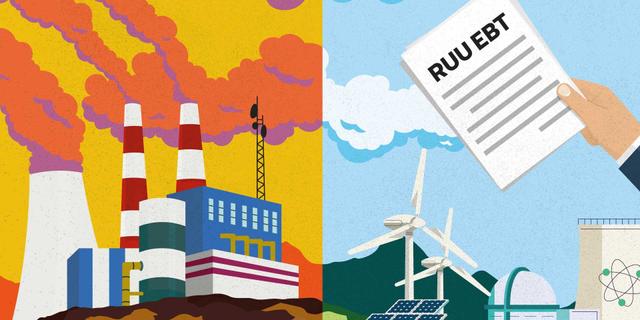
The Indonesian government, through the state-owned electricity company PT PLN (Persero), recently released the 2025–2034 Electricity Supply Business Plan (RUPTL). A point that has drawn significant attention is the introduction of a "hybrid" power plant scheme. This model integrates Coal-Fired Power Plants (PLTU) with renewable energy sources such as solar power (PLTS) and Battery Energy Storage Systems (BESS) within a single area.
Narratively, this step sounds like a major leap forward for Indonesia's energy transition. However, a closer look at the projected capacity figures raises a fundamental question: is this a genuine move toward clean energy, or merely a strategy to extend the life of the coal industry amidst global decarbonization pressure?
Coal Dominance: A Disproportionate Comparison
Operational data from a hybrid project in Sumatra, slated to begin operations in 2029 or 2030, reveals a stark reality. The energy composition is as follows:
Coal-Fired Power Plant (PLTU): 1,200 MW
Solar Power (PLTS): 300 MW
Battery Storage (BESS): 150 MW
From these figures, it is clear that coal capacity is nearly four times larger than solar power. Under this scheme, renewable energy and batteries serve only as minor supporters, while high-emission fossil fuels remains the backbone of electricity production. This has sparked sharp criticism regarding the "hybrid" label, which is seen more as an act of greenwashing rather than a systemic shift.
Sumatra: From Energy Hub to Sacrifice Zone
The imbalance in this hybrid scheme exacerbates the ecological wounds already inflicted on Sumatra. On April 11, 2026, the Sumatra Light Coalition for Clean Energy (STuEB) sent an open letter to the President of the Republic of Indonesia. They demanded accountability for what they termed "coal power plant crimes" that have harmed the wider community.
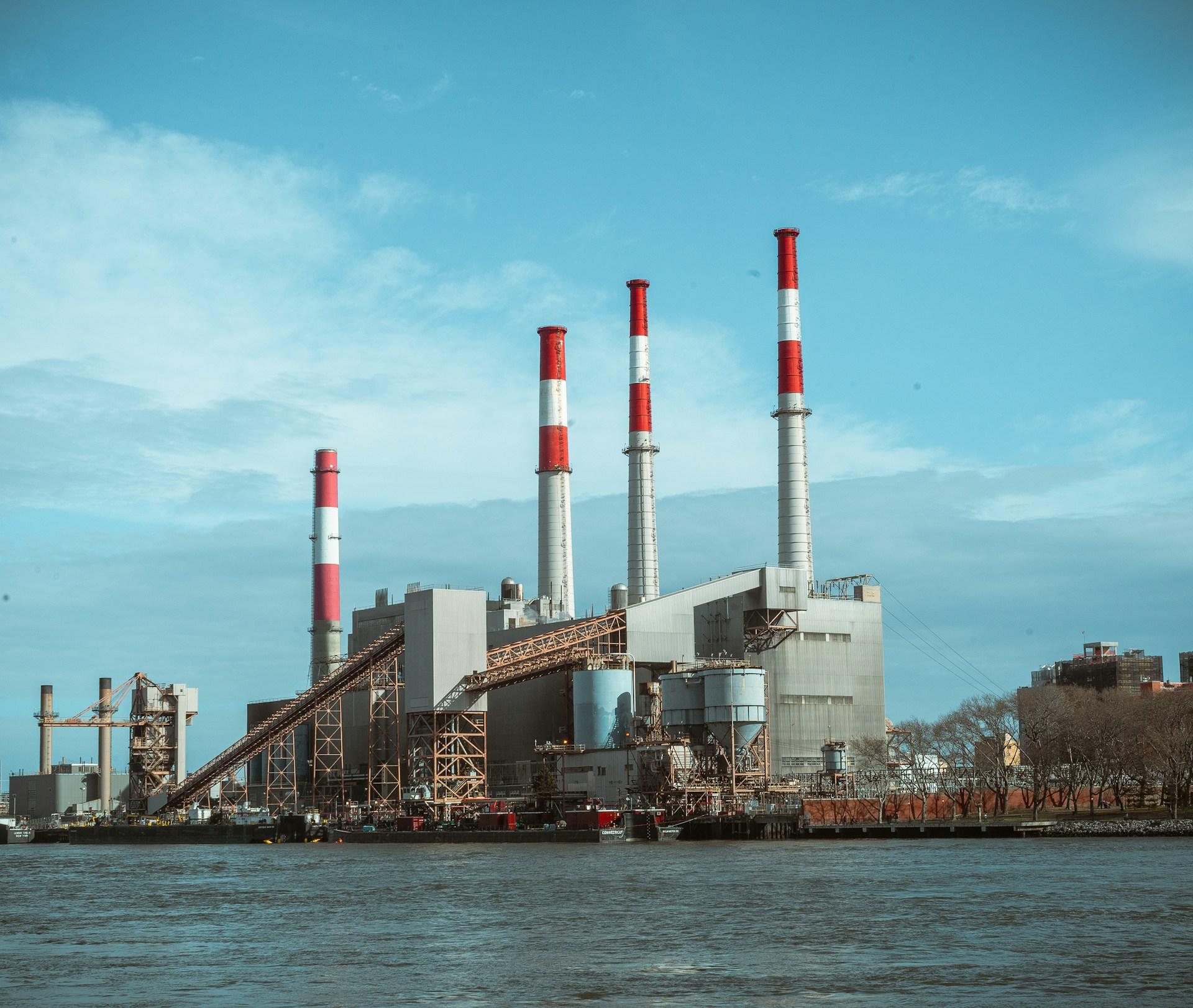
The coalition emphasized that Sumatra must no longer be treated as a "sacrifice zone" for dirty energy. Currently, the island's land and sea are in a state of ecological emergency. Dozens of operational coal plants have left behind a trail of damage that is difficult to repair, including:
FABA Waste Pollution: Fly Ash and Bottom Ash (FABA) contaminating the soil and water sources of local residents.
Thermal Effluent Discharge: High-temperature cooling water dumped directly into the ocean, destroying coastal ecosystems.
Toxic Air Emissions: Hazardous particulates entering the lungs of residents living in the "Ring 1" areas around the plants.
Real-World Impacts: Marine Destruction in Bengkulu and Health Crisis in Aceh
Field data shows that the impacts of coal plants are not just scientific predictions, but a bitter reality. Monitoring by the Kanopi Hijau Indonesia team in March 2026 at the Teluk Sepang PLTU in Bengkulu found harrowing facts regarding thermal waste discharge:
Sea temperature increases exceeding 2°C, surpassing the tolerance threshold of marine biota.
Drastic changes in seawater acidity levels.
Dissolved oxygen levels dropping below environmental quality standards.
As a result, coral reef ecosystems have suffered severe damage, and certain fish species have begun to disappear, directly cutting off the livelihoods of local fishermen.
A similar crisis is unfolding in the health sector. In Aceh Province, data shows a significant spike in Acute Respiratory Infection (ARI) cases. In 2024, 512 cases were recorded; this number surged to 728 cases by 2025. Alarmingly, 40% of these cases occurred in the "Ring 1" vicinity of coal plants. This indicates a direct correlation between air pollution from coal chimneys and public health.
Demanding a Just Energy Transition
The presence of dozens of coal plants in Sumatra is already a heavy burden on the environment and public health. Adding new capacity under the "Hybrid" label, which is still dominated by coal, will only prolong ecological and social suffering.
A true energy transition should mean the phasing out of dirty energy sources, not mixing them with a small portion of clean energy just to satisfy policy formalities. The 2025–2034 RUPTL should be a momentum for the government to prioritize citizen safety and environmental sustainability over the interests of the fossil fuel industry.
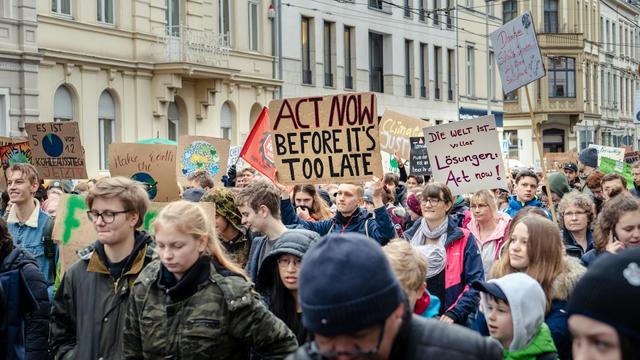
The people of Sumatra have spoken: they want truly clean energy, not a "hybrid" promise that still reeks of coal smoke.
References:
Electricity Supply Business Plan (RUPTL) 2025–2034, May 26, 2025.
Just Energy Transition Report, June 9, 2025.
Betahita Special Report, April 13, 2026.